
 +34 687979728
- Charlote Reus
- Stores
- 0 likes
- 8180 views
- #TimelessFashion, #SummerClothingAllYearOver, #TemporaryTrends, #ClimateChangeAndFashion, #VersatileClothing, #FashionAllYearWide, StyleAllYearAllYear, #FashionShop, #FunctionalClothing, #ClimateFit
With the changing climate and increasingly air-conditioned spaces, summer and in-between seasons have become year-round staples. Lightweight clothing such as tank tops, silk blouses or thin jackets is no longer limited to one season, thanks to constant heating in offices, homes and transport. For retailers, this represents a great opportunity: to offer versatile, comfortable, quality garments that customers can wear regardless of the season. Adapting inventory to this new reality can make all the difference in sales and customer satisfaction.
Table of contents
1. Fashion All Year Round: How Summer and New Seasons have become Timeless Basics
Over the years, we have witnessed a trend that continues to consolidate: the year-round wearing of summer and between seasons. Why has this happened? Winters are no longer as frigid in many places, spaces are increasingly heated, and our daily routine is so adapted to comfort that we hardly need to change our wardrobe radically from one season to the next.
This phenomenon has important implications, especially for fashion retailers. Adapting the offer to these new needs can make the difference between connecting with a modern consumer and losing the sales opportunity. Let's explore this shift and how to take advantage of it from both a fashion and business-led-approach.
2. Mid-season clothing: the star of the basics
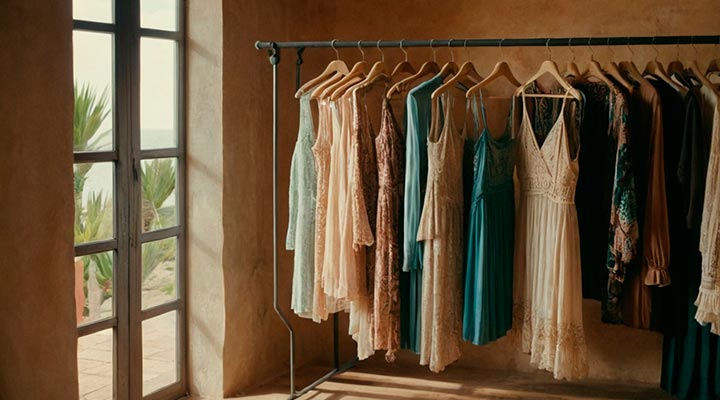
Lightweight yet versatile, mid-season clothing has become a mainstay of the contemporary wardrobe. Their adaptability is key: you can easily combine them with other layers if it's cold, or wear them alone on warmer days.
Lightweight jackets, blazers, fine knit jumpers, and flowing trousers are examples of pieces that are no longer associated solely with spring or autumn. We now wear them in winter under coats or in summer during cooler evenings. This versatility is perfect for both the consumer and the retailer, as these garments can be offered as year-round essentials.

3. Summer clothing: a classic that knows no seasons
In the past, light and cool garments such as tank tops, silk tops or airy cotton dresses were kept at the back of the wardrobe when the temperatures dropped. But today, thanks to warm, air-conditioned interiors (offices, shopping centres, homes, cars and even public transport), these garments need no longer be relegated to the summer season.
Today's consumers value comfort and functionality, and summer garments have proven to be allies in this regard. In a constantly heated environment, a tank top or silk top can be just as appropriate in the middle of December as it is in August. Plus, with the growing trend towards minimalist fashion and layering, these pieces are perfect for integrating into multi-layered looks that don't sacrifice style for practicality.
4. Climate-conscious fashion and climate-controlled spaces
Climate change has not only led to longer summers and milder winters, but also to fluctuations in temperature throughout the year. This has led to clothing being chosen more for its functionality and adaptability than for its association with a particular season.
Added to this is the fact that virtually all the enclosed spaces in which we spend our time (offices, homes, restaurants, shopping centres) are carefully temperature-controlled. Consequently, we need clothes that work both inside these warm spaces and for occasional walks outdoors. This new lifestyle has made lightweight layers and garments made from breathable but warm materials such as silk, linen or cotton the preferred choice for any month of the year. For retailers, this means an incredible opportunity: to offer versatile, lightweight, timeless garments that meet the demands of consumers who no longer see fashion as seasonal.

5. How to adapt your shop to the new demand
Si tienes una tienda de moda, este es el momento perfecto para replantear tu estrategia de compra y selección de inventario. Aquí te dejamos algunas recomendaciones para aprovechar esta tendencia:
1. Prioritise basic and versatile garments: Investing in between-season clothes that can be easily combined and adapted to any season will be a sure success. Think T-shirts, light blouses, thin jumpers, and trousers in flowing fabrics.
2. Offer summer garments as year-round essentials: Light dresses, tank tops and garments in fabrics such as silk or linen should not disappear from the hangers when winter arrives. Dare to integrate them into winter looks with warm layers and accessories.
3. Go for quality fabrics: Natural, breathable materials such as cotton, lightweight wool, linen and silk are perfect for any season. Encourage your customers to invest in quality and versatility.
4. Keep a balanced assortment throughout the year: Don't overload your shop with heavy coats or summer-only garments. Always keep a varied selection that includes light and warm options, no matter what season you're in.
6. Conclusion
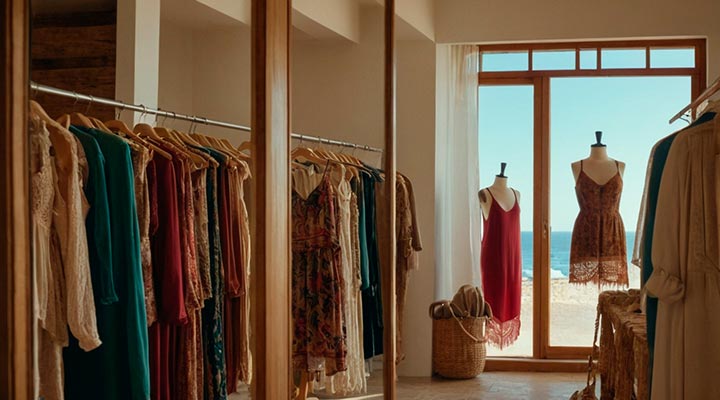
Wearing summer and mid-season clothing all year round is no longer an exception, but a new norm driven by climate change and the adaptation of our environments. Modern consumers are looking for versatile, lightweight, quality garments that suit both their style and comfort needs in all seasons. For fashion retailers, this is a great opportunity to broaden their horizons, adjust to current demand and offer collections that, far from being limited by the seasons, reflect today's dynamic and changing lifestyles.
It's time for your shop to wear timelessness!
Related products

